


The fascinating history of gambling from ancient rituals to modern bets
The fascinating history of gambling from ancient rituals to modern bets
The Origins of Gambling
The roots of gambling can be traced back thousands of years to ancient civilizations. Archaeological findings in China suggest that the earliest forms of gambling involved rudimentary games of chance using dice. These games were not just mere pastimes; they were often woven into the fabric of society, being used in religious rituals and decision-making processes. Evidence from various cultures indicates that gambling was frequently linked to the spiritual realm, where players believed the outcomes were influenced by divine forces. Today, you can explore a broad range of casino options at Mpokies Australia, reflecting the historical significance of these activities.

In ancient Mesopotamia, gambling took on more structured forms. Tablets dating back to 3000 BC reveal that people engaged in games similar to modern-day dice. These games provided a method for people to engage socially while risking their fortunes. Similarly, in ancient Egypt, betting on the outcomes of sports and games emerged as a popular activity, showcasing that the thrill of chance was a universal experience across cultures.
The Greeks and Romans further developed gambling practices, formalizing them through various games and betting systems. The Greeks introduced the concept of betting on athletic competitions, while the Romans created public gaming houses. These establishments became social hubs, where citizens gathered not only to gamble but also to socialize and enjoy entertainment. This period marked the transition of gambling from informal activities to more organized forms that would influence future generations.
The Evolution of Gambling in the Middle Ages
The Middle Ages saw a significant transformation in gambling practices, influenced heavily by societal changes and the Church’s stance on the activity. Although gambling was frowned upon by religious authorities, it persisted in various forms. The invention of card games in the late 14th century in Europe marked a new era. These games offered a fresh avenue for wagers, and their popularity quickly spread across the continent, ultimately shaping the casino experience.
Lotteries began to gain traction during this period as well. Governments saw them as a means to fund public projects, turning gambling into a civic duty of sorts. The first recorded lottery to offer cash prizes took place in the Low Countries in the 15th century, proving that gambling was evolving beyond mere entertainment into a mechanism for economic support. This shift had profound implications for the societal acceptance of gambling.
Despite attempts to regulate and control gambling, it continued to flourish. The emergence of betting on horse racing in England became a favorite pastime, giving rise to established tracks and betting parlors. This era laid the groundwork for the modern betting landscape, as it combined entertainment with the thrill of wagering on uncertain outcomes. The trends set during the Middle Ages would resonate for centuries, shaping the future of gambling in remarkable ways.
The Rise of Casinos and Legalized Gambling
The 17th and 18th centuries marked a significant turning point for gambling with the establishment of formal casinos. The first recognized casino, the Ridotto, opened in Venice in 1638, offering a controlled environment for gamblers. This innovation transformed gambling from clandestine backroom activities into an organized industry, attracting both the elite and commoners alike. Casinos became synonymous with luxury and excitement, appealing to the human desire for risk and reward.
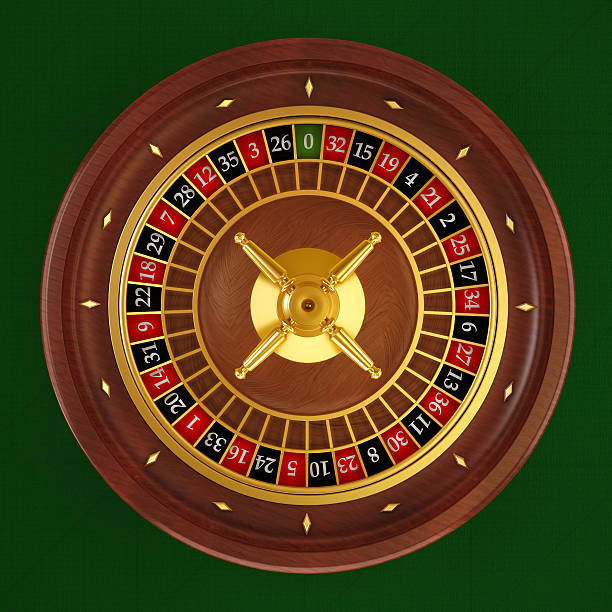
As gambling gained popularity, many countries began to regulate the industry. By the 19th century, casinos flourished in Europe, particularly in places like Monte Carlo and Baden-Baden. The introduction of games such as roulette and baccarat created a more structured gaming experience, allowing players to engage in sophisticated betting strategies. This era solidified the casino as a cultural icon, blending entertainment with the allure of fortune.
In America, the Gold Rush of the mid-1800s led to the proliferation of gambling establishments in the frontier towns. These locations were often associated with lawlessness, where individuals sought their fortunes through games of chance. The establishment of Las Vegas in the 20th century as a gambling mecca encapsulated the allure of casino culture. As states began to legalize gambling, it transformed into a mainstream form of entertainment, contributing significantly to local economies.
The Digital Revolution and Online Gambling
The late 20th century introduced a new era in gambling with the advent of the internet. Online casinos began to emerge in the mid-1990s, allowing players to enjoy their favorite games from the comfort of their homes. This shift was revolutionary, democratizing access to gambling and appealing to a broader audience. With advancements in technology, online gaming platforms developed more engaging user experiences, including interactive graphics and live dealer games.
As the digital landscape evolved, so did regulatory frameworks. Many countries began to recognize the need to govern online gambling, leading to the establishment of licensing systems to ensure player safety and fair play. This regulatory oversight helped build trust among players, further promoting the growth of online gambling sites. Today, millions of people participate in online gaming, representing a significant segment of the global gambling market.
The rise of mobile technology has further transformed the gambling experience. Players can now place bets and play games at any time and place, enhancing convenience and accessibility. The integration of features such as live streaming of games and interactive betting options has created a more immersive environment. This ongoing evolution demonstrates how gambling continues to adapt, ensuring it remains a thrilling and relevant form of entertainment in the digital age.
Exploring Modern Gaming Communities
The online gaming landscape has evolved into a vibrant community where players connect, share experiences, and engage with one another. Platforms that host online casinos often incorporate social features, allowing users to interact in real-time. Forums and chat rooms have emerged, providing spaces for players to discuss strategies, share wins, and build friendships based on a shared passion for gambling.
Additionally, the rise of live dealer games has recreated the social atmosphere of traditional casinos within an online setting. Players can engage with real dealers and interact with fellow gamblers, creating a more authentic experience. This blend of technology and social interaction has significantly enriched the gambling experience, making it more enjoyable and engaging for players around the globe.
As the gambling landscape continues to evolve, it is essential for enthusiasts to stay informed about trends, regulations, and emerging technologies. The shift towards responsible gambling practices is also gaining traction, emphasizing the importance of enjoying gambling as a form of entertainment while understanding the risks involved. Online communities play a crucial role in promoting healthy gambling habits and ensuring a supportive environment for all players.